
In recent years, the gaming industry has exploded into one of the most dynamic and fast-evolving creative spaces. Amidst this surge, the role of the UndergrowthGames contributor has quietly become a significant pillar of indie game development.
This isn’t just about casual writing or gameplay commentary. It’s about becoming a meaningful voice in a niche, passionate community, helping small, innovative projects flourish and reach wider audiences.
An UndergrowthGames contributor doesn’t just participate, they shape. They guide players, highlight underappreciated mechanics, and bring thoughtful critique and creativity to the table.
For many, this role begins as a passion project but quickly becomes a recognised pathway toward influence and even career opportunities within the gaming world.
Let’s explore what it truly means to be an UndergrowthGames contributor, how it works, and why it’s gaining traction among creatives in the UK and beyond.
What is UndergrowthGames and Who Can Be a Contributor?

UndergrowthGames is a platform that thrives on creativity, collaboration, and niche game development. Unlike large-scale AAA studios with huge teams and massive budgets, this space is rooted in independent projects often focused on underground, insect-themed, or alternative-world games. These games rely heavily on community feedback and contributor input.
An UndergrowthGames contributor is anyone who plays an active part in shaping the direction of such games. They may write storylines, offer design ideas, fix bugs, or provide critical feedback during testing phases.
Whether you’re a narrative writer crafting lore, an artist visualising unique characters, a coder building mechanics, or even a gamer providing insightful reviews, there’s space for you.
This role is flexible and inclusive. You don’t need formal experience or technical prowess, just a passion for gaming, a keen eye for detail, and a collaborative mindset.
What Makes the Role of an UndergrowthGames Contributor Unique?
While many contribute to the gaming industry, few do so with the creative liberty and impact that an UndergrowthGames contributor enjoys. Unlike traditional gaming journalists or commercial developers, contributors here are part of the development journey from early ideas to final release.
They don’t just write or code, they co-create. A contributor might develop a guide that becomes the go-to resource for players or suggest a character design that eventually becomes central to the game. Their feedback often shapes gameplay dynamics, narrative arcs, or even marketing strategies.
What sets this role apart is its genuine influence. Each contribution, however small, plays a role in crafting a world that players will explore. This makes it one of the most fulfilling forms of participation in the gaming sphere.
What Skills Do You Need to Succeed as an UndergrowthGames Contributor?
Success as an UndergrowthGames contributor doesn’t require a degree or years of industry experience. However, certain traits and abilities can certainly set someone apart.
Core Skills and Traits
- Creativity: Essential for writing unique narratives, proposing artistic concepts, or suggesting unconventional gameplay elements.
- Adaptability: Indie projects often evolve rapidly. Being open to change is vital.
- Collaboration: Most contributors work within small, close-knit teams. Respect, patience, and teamwork are key.
- Attention to Detail: Spotting small inconsistencies, bugs, or narrative gaps can make a big difference.
- Consistency: Contributing regularly builds trust and credibility among the team and audience.
These are not just technical skills, but personal qualities that contribute to the collaborative and imaginative environment of UndergrowthGames.
How to Become an UndergrowthGames Contributor?

Getting started can feel intimidating, but the process is quite accessible. Here’s a simplified pathway based on real contributor journeys in 2025.
Step-by-Step Approach
Identify Your Strengths
Think about what you can offer. Can you write immersive dialogues? Are you skilled in pixel art? Maybe you have an eye for balancing gameplay mechanics or testing for bugs. Every skill has value.
Join Indie Communities
Most projects have Discord servers, forums, or small social media groups. By joining these, you gain insight into current needs, the team’s culture, and how you can fit in.
Contribute Small First
Start by testing builds, sharing honest feedback, or helping edit dialogue. Small tasks show your dedication and build trust over time.
Stay Reliable
Communication is key. Teams appreciate contributors who attend meetings, provide regular updates, and meet deadlines, even in unpaid roles.
What Does a Typical Contribution Look Like at UndergrowthGames?
Contributions vary widely depending on your skills and the stage of development. Some are purely creative, while others are technical or analytical.
Example Contribution Tasks
- Writing character backstories and in-game lore
- Testing builds and reporting detailed bugs
- Suggesting environmental designs or level layouts
- Creating tutorials, walkthroughs, or patch reviews
- Providing community feedback or forum moderation
Here’s a sample table to show how different roles align with typical contribution tasks:
| Role | Common Contribution |
| Writer | Game dialogue, story arcs, lore |
| Artist | Character design, world environment art |
| Developer | Bug fixes, feature implementation |
| Tester | Playtesting, QA feedback |
| Community Manager | Moderating discussions, gathering feedback |
Every contributor plays a part in shaping the game, and even the smallest efforts can leave a lasting impact.
Why Do People Choose to Contribute to Indie Games Like UndergrowthGames?
There are many reasons why individuals get involved in these projects, even without immediate pay. These motivations are deeply personal and often rewarding in ways beyond financial gain.
Key Motivations
- Learning and Experience: Working on live projects teaches you more than any online course.
- Creative Freedom: Unlike corporate studios, indie teams often value and implement your ideas.
- Networking: You meet like-minded creators, which can open doors to future collaborations.
- Personal Fulfilment: Watching your contributions go live in a released game is incredibly satisfying.
Contributing to indie games is a space where passion meets impact.
What Are the Long-Term Opportunities for Contributors?
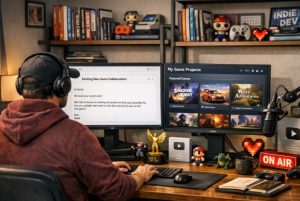
Many contributors begin as volunteers but later move into paid roles or broader opportunities.
Evolving Roles and Recognition
Consistent contributors often:
- Build a strong personal brand
- Get invited to collaborate on new projects
- Receive beta access or exclusive development opportunities
- Monetise their content through YouTube, Patreon, or affiliate marketing
The indie gaming space respects commitment. A contributor who sticks around, delivers quality input, and builds trust can find real career growth here.
What Makes Content from UndergrowthGames Contributors Stand Out Online?
Writing that gets noticed today must do more than exist. It must engage, inform, and rank well in search engines.
Writing with Impact and Visibility
- Clarity: Write in simple, engaging language that even casual readers can enjoy.
- Structure: Use clear headings, smooth transitions, and readable paragraphs.
- Originality: Share your own insights, experiences, and opinions.
- Keyword Integration: Naturally include terms like “undergrowthgames contributor” without overstuffing.
- SEO Balance: Write for people first but format your content so Google understands its value.
Quality content leads to backlinks, bookmarks, and returning readers, all of which boost authority and visibility.
What Are the Real Rewards of Being an UndergrowthGames Contributor?
The rewards go far beyond money. They touch both personal and professional spheres.
Tangible and Intangible Gains
- Skill Development: Improve writing, design, coding, or communication skills.
- Confidence: See your work appreciated and implemented.
- Friendships: Form bonds with other creators around shared passion.
- Portfolio Building: Use real-world contributions to showcase your abilities.
Many contributors eventually use their experience to land jobs in game studios, become content creators, or launch indie projects of their own.
Conclusion
At its heart, becoming an UndergrowthGames contributor is about embracing creativity, collaboration, and community. It’s a role for those who believe in the power of stories, ideas, and experimentation. You don’t need to be an expert or commit full-time. You just need to start.
As the indie game industry grows, so too does the impact of its contributors. From sharing bug reports to scripting memorable characters, every effort adds to a larger vision.
And in doing so, contributors shape more than just games, they shape communities, influence narratives, and discover their voice in a passionate corner of the gaming world.
For anyone considering the leap, the message is simple: Dive in, stay curious, and let your contributions speak for themselves.
FAQs About UndergrowthGames Contributor
Do I need professional experience to become a contributor?
No, anyone with passion and commitment can start contributing. Many teams value creativity and curiosity more than formal credentials.
Can I contribute remotely to UndergrowthGames?
Yes, most contributors work online through platforms like Discord, Trello, and GitHub.
How much time should I dedicate as a contributor?
Even a few hours weekly can make a difference. What matters is consistency and quality over quantity.
Will I be paid for contributing to UndergrowthGames?
Most roles begin unpaid, but many contributors move into revenue share models or paid collaborations over time.
How do I know my contribution is valuable?
If your input improves the game, provides insight, or solves problems, it’s valuable. Teams usually offer feedback and recognition.
What kind of projects can I work on?
Contributors might write stories, create artwork, test gameplay, or suggest design improvements depending on their skillset.
What are the benefits of long-term contribution?
Long-term contributors often build networks, improve their skills, and grow their visibility in the indie game development space.
Disclaimer:
UK Casino Mag does not operate or promote any form of gambling. All content is for news, analysis, and educational purposes only. Please gamble responsibly and seek help if you are affected by gambling-related issues.